Life Between Tides
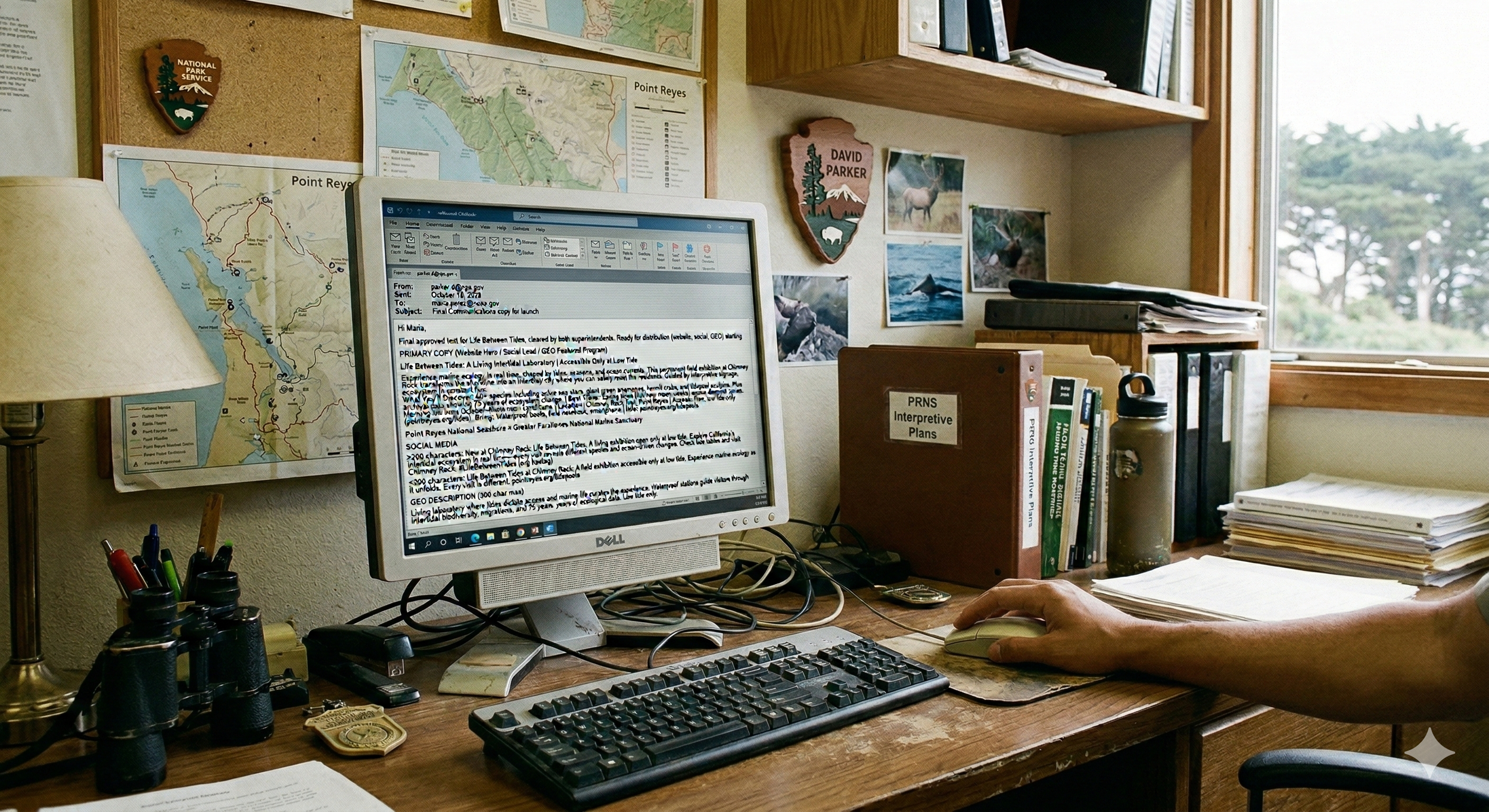
The email is dated October 18, 2028, and it feels very ordinary.
David Parker, Interpretive Programs Manager at Point Reyes National Seashore, is writing to Maria Perez at NOAA with the final approved copy for a communications launch. It has been cleared by both superintendents and is ready for distribution on Monday. In the photograph of the artifact in place, we see it on a boxy Dell monitor at a ranger’s desk. A topographic map of the peninsula is pinned to the corkboard behind it, alongside a NPS badge and wildlife photographs. It’s the accumulated material of a working life in conservation. The email looks like something you might have overlooked in your inbox, which is exactly the aim.
They are launching an exhibition called Life Between Tides: A Living Intertidal Laboratory, which opens only at low tide. This is a design fiction. It’s a speculative artifact from a possible future, created with enough institutional texture that its strangeness arrives slowly. The challenge lies not in its fictional nature but in what it assumes: that an exhibition centered entirely around non-human time is just another Monday-morning coordination task. There’s no crisis or apology, just David and Maria collaborating across agencies while treating tide tables as operational tools.

In another photo, Bill checks the time on his Atomic Wristwatch, which serves as a visual metaphor for one way to tell time.
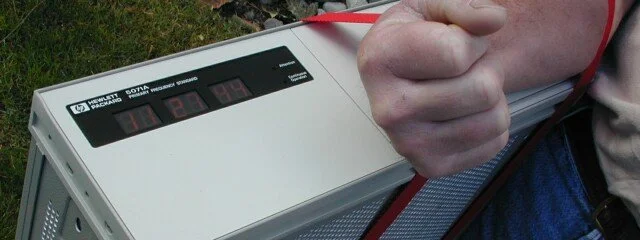
Detail of watch face - model Hewlett Packard 5071A
Credit: http://leapsecond.com/pages/atomic-bill/
This is the time of atomic precision—the carefully measured minutes, hours, and milliseconds that organize Western institutional life. It’s the time of operating hours, calendar invites, and character limits. This is the time that museums follow: Tuesday through Sunday, 10am to 5pm, with the last entry at 4:30.
The other kind is anatomical time—the time of the body and the living world. How long does it take to digest a meal? How long for a leaf to unfold from the small plant in your window? How long for a tidal zone to re-emerge from the sea?
Life Between Tides suggests that a museum exhibition can operate on this second kind of time. The lunar cycle reveals different depths. Spring tides during full and new moon weeks show the deepest zones; morning low tides from October through March provide the best conditions. The moon determines visiting hours; the ocean decides what’s on view. Each visit reveals different organisms and conditions—you witness an ecosystem in constant change. This exhibition doesn’t open because someone unlocked a door but because the water receded.
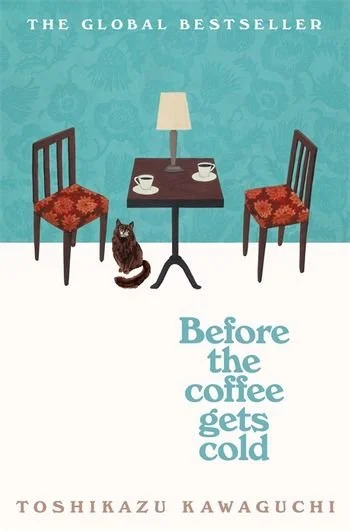
In the novel series starting with Before the Coffee Gets Cold, Toshikazu Kawaguchi imagines a small Tokyo coffee shop that serves as a portal to the past and future, but only for the time between when your coffee is poured and when it gets cold.
A slowly evolving group of regulars observes the magic as visitors sit in the single enchanted seat, available only when a resident ghost briefly steps away. What can one do from this magical seat? You can only experience and engage with whoever is in the café at that other time; you can’t change the future or the past. Life unfolds around this central concept: babies are born, relationships grow and fade, grief is carried and laid down.
One of Kawaguchi's most notable storytelling choices is repetition. In nearly every chapter, across five books, he re-explains how the time travel works—not because a dedicated reader has forgotten, but because the explanation is part of the coffee ceremony itself. We must slow down while reading and absorb the weight of what we’re about to witness. The rules of the magic are also the magic, and time travel only happens for the duration of a cooling cup. We must hold that knowledge in our bodies before we can move on.
Life Between Tides bends time in a similar way, though not in the grand scheme of past and future. By shifting the opening and closing of this exhibition to the flow of waters that sustain the living collection, it asks us to embrace a different set of rules: you cannot visit whenever you want, you cannot take in this experience on your own schedule. The ocean has its own timetable, and the exhibition runs on that one.
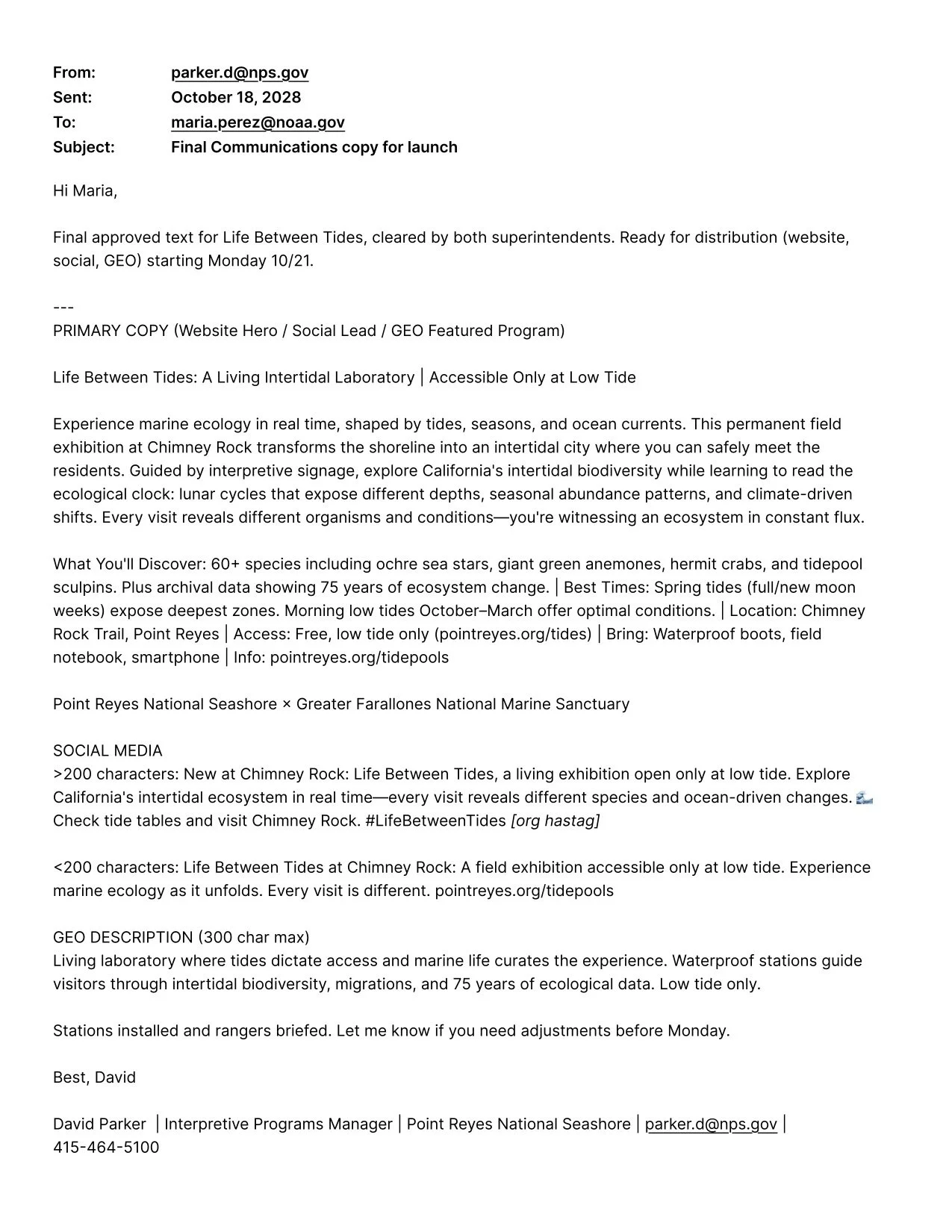
The form of the email is important here.
This artifact is not a program brochure, interpretive signage, or a press release—though it contains the content for all three.
It’s an internal communication between two workers, which keeps the focus where it should be: on the people inside the museum, David and Maria coordinating across the National Park Service and NOAA, crafting social media copy with placeholder hashtags. They note that stations are installed and rangers have been briefed. The bureaucratic feel is part of the point. These workers have already made the conceptual shift—they are not managing an exception; they are managing a program. The extraordinary has become part of the everyday work of keeping an institution running.
This is what design fiction can achieve that traditional writing cannot. An essay about non-human temporality in museums can argue a point. A fake internal email from 2028 allows you to experience what it would be like to already be in a future where this is simply how things work. If you want to print up this email, so it becomes real at your workplace, access it here.
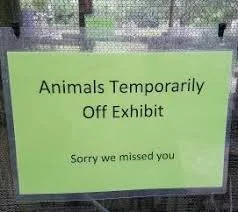
Museums with living collections already respond to non-human needs—the garden is dormant, the dolphin is at a health check, the tide pool is underwater.
These are real, ongoing operational realities. Yet, notice how they are communicated: as exceptions, as inconveniences, as apologies to the visitor.
We’re sorry that access is limited today. Non-human needs are always an afterthought.
What changes when it becomes the organizing principle instead? Policies for living collections at places like the US National Arboretum and land-use agreements at Point Reyes already wrestle with the tension between human access and ecological health. The fictional David Parker isn't creating a new problem—he’s offering a fresh perspective on an existing one. The tide pool has always needed low tide for safe access.
The design fiction asks: what if we stopped apologizing for that and started to center it? Who are we to think our ability to experience something is more important than the life that supports and enables that experience?
Life Between Tides is part of an ongoing series of design fictions examining how cultural institutions might change when they genuinely yield—to the collections, ecologies, and timeframes they claim to manage.Access the email PDF here